Food adulteration is one of the biggest silent health crises in India. Every day, millions of families consume products they believe are pure - honey mixed with sugar syrup, cooking oil diluted with cheaper alternatives, spices bulked up with artificial colours and fillers. The consequences are real and serious.
What is Food Adulteration?
Food adulteration is the practice of adding inferior, harmful, or cheaper substances to food products to increase quantity or reduce production costs. It can be intentional (adding sugar syrup to honey) or incidental (contamination during processing). Either way, the consumer pays the price - both financially and with their health.
Common Adulterated Foods in India
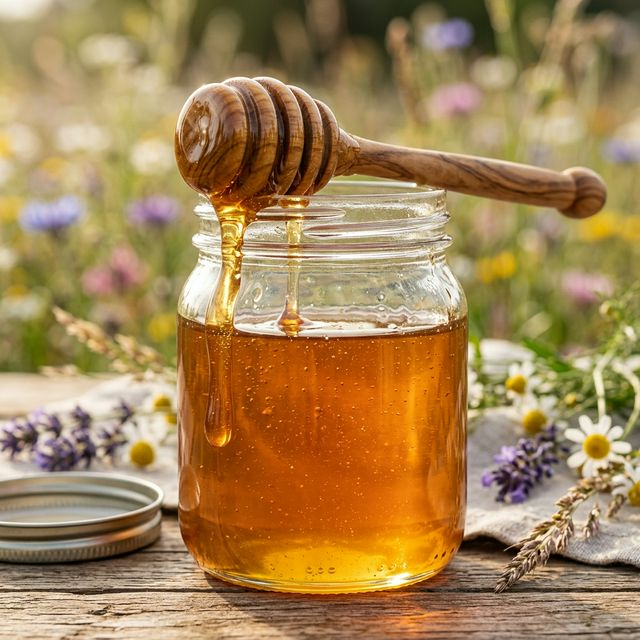
Honey: Mixed with sugar syrup, corn syrup, or rice syrup. Some brands use ultra-filtration to remove pollen (which makes adulteration undetectable in basic tests).
Cooking Oils: Diluted with cheaper refined oils, palm oil, or mineral oil. Cold-pressed labels are sometimes used on refined products.
Spices: Chilli powder mixed with brick powder or artificial red dye. Turmeric bulked with lead chromate for colour. Black pepper mixed with papaya seeds.
Milk: Diluted with water and thickened with starch, detergent, or urea to restore consistency.
Health Consequences
Adulterated food has been linked to digestive disorders, liver damage, kidney problems, allergic reactions, and even cancer. In children, regular consumption of adulterated honey and oils has been connected to early-onset metabolic issues including diabetes. The effects are cumulative - they build up over years of daily consumption.
How to Protect Your Family
Know your source: Buy from brands that are transparent about where their products come from. "Farm to table" isn't just a slogan - it's a safety standard.
Check certifications: Look for FSSAI certification and lab test reports. Legitimate brands will provide documentation on request.
Do home tests: Simple tests like the water test for honey or the paper test for oil can help identify obvious adulteration.
Pay for quality: If a product is significantly cheaper than competitors, ask why. Pure, unadulterated food costs more to produce - there's no shortcut.
At Aarbee Naturals, we exist because of this problem. Every product we sell is sourced directly from farmers and tribal communities, FSSAI certified, and lab-tested for purity. No adulteration, no shortcuts, no compromise. Because food should be medicine - not a risk.