Castor oil for hair growth is one of the most searched natural remedies on the internet. Grandmothers have sworn by it for generations. But does it actually work? Let's look at what we know.
What Makes Castor Oil Special?
Castor oil is unique because it contains over 85% ricinoleic acid - a rare fatty acid not found in most other oils. Ricinoleic acid has anti-inflammatory and antimicrobial properties, and it increases blood circulation to the scalp when massaged in. This improved blood flow can help nourish hair follicles.
What the Evidence Says
While there are no large-scale clinical trials specifically on castor oil and hair growth, the science behind its key compound is solid. Ricinoleic acid has been shown to inhibit prostaglandin D2 - a compound linked to hair loss. It also deeply moisturises the scalp, reducing dryness and flaking that can contribute to hair thinning.
How to Use Castor Oil for Hair
Castor oil is thick and viscous, so it's best mixed with a lighter oil like coconut or sesame oil (50:50 ratio). Warm the mixture slightly, massage into your scalp for 5-10 minutes, and leave it on for at least 2 hours or overnight. Wash with a mild shampoo. Use 2-3 times per week for best results.
Castor Oil for Eyebrows and Eyelashes
Many people apply a small amount of castor oil to eyebrows and eyelashes using a clean mascara wand before bed. The moisturising and circulation-boosting properties can help strengthen and thicken sparse brows and lashes over time.
What to Look for When Buying
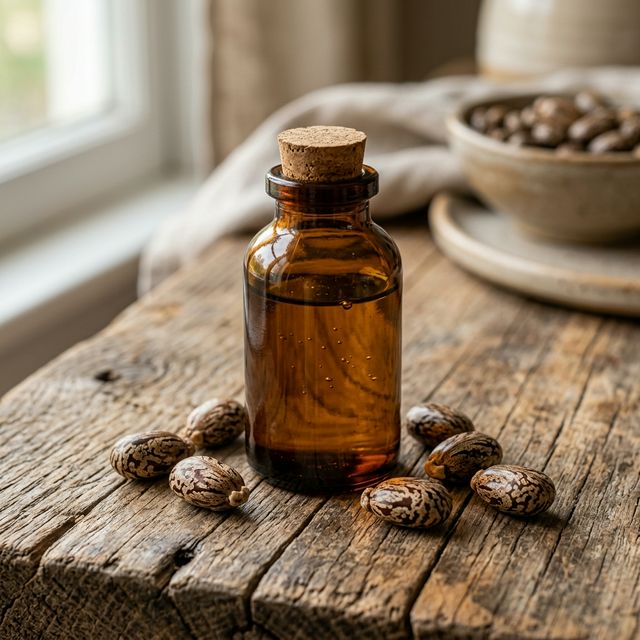
Always choose cold-pressed, hexane-free castor oil. Refined castor oil has been processed with chemicals and heat, stripping away much of the ricinoleic acid. The oil should be pale yellow, thick, and have a mild nutty smell. If it's clear and odourless, it's likely refined.
Aarbee Naturals' cold-pressed castor oil is hexane-free, FSSAI certified, and lab-tested for purity. Pure, thick, and exactly what your hair needs.